Happy Valentine’s Day SVG: Graphics for T-Shirt Designs
As a blog designer and digital publisher who builds editorial visuals every single week, I look at a graphic design asset differently than most. I don't just see a pretty file. I see how it behaves inside a real blog layout, how it anchors a Pinterest pin at two hundred pixels wide, how it pairs with three different headline fonts, and whether it strengthens or weakens reader trust. So when I opened Happy Valentine's Day SVG for the first time, I ran it through the same mental checklist I use before publishing anything that represents a content brand. The results surprised me in a few good ways.
What This Design Communicates Before a Single Word Is Read
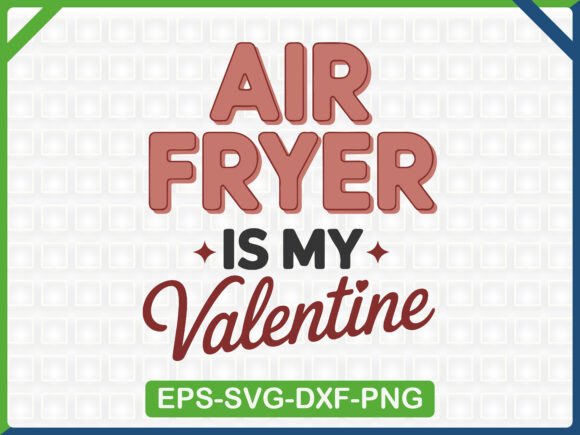
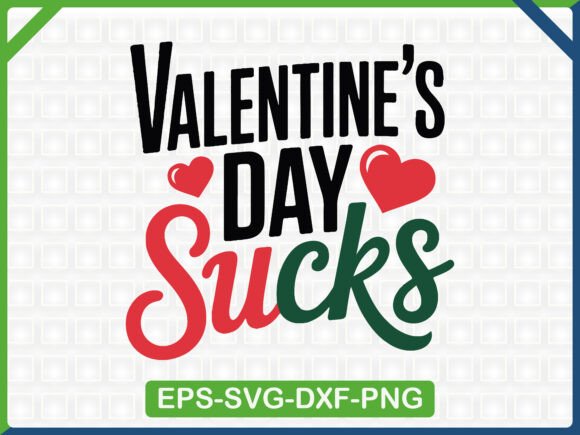
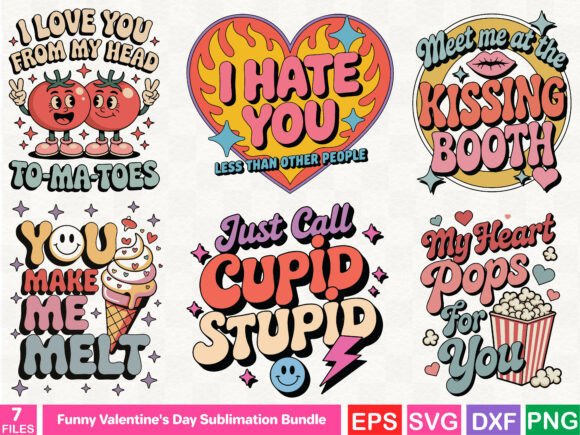
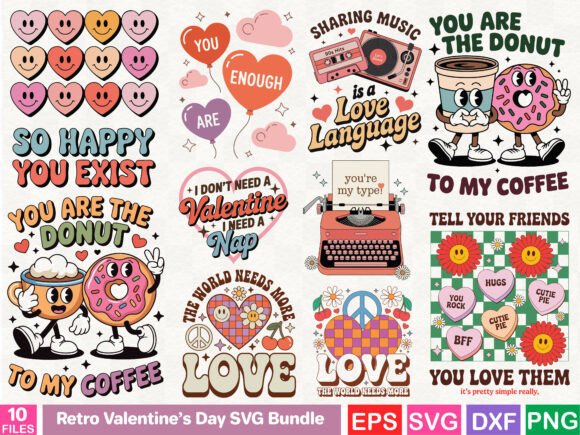
First impression counts for everything in editorial publishing. Before a visitor processes your headline, they absorb color, shape, tone, and emotional temperature from your featured image. Happy Valentine's Day SVG lands with a warm, celebratory mood that feels polished without drifting into overly sentimental territory. The typography choices inside the asset lean playful and approachable, while the overall composition keeps enough structure to feel intentional rather than chaotic. This balance is exactly what content publishers need when they want to appear festive but still credible.
The design aesthetic sits comfortably at the intersection of lifestyle-focused and seasonal editorial. It carries a feminine energy without alienating broader audiences, which makes it surprisingly flexible for different blog niches. A food blogger could use it for a Valentine's Day recipe roundup. A parenting publisher could anchor a kids' craft guide. An affiliate marketer promoting gift guides would find the visual tone perfectly matched to the buying mood of early February readers. The asset communicates warmth, accessibility, and just enough polish to signal quality.
From a visual hierarchy standpoint, the typography weight distribution helps the eye land exactly where you want it. This matters enormously when you need a graphic to work as both a full-width blog header and a tiny search result thumbnail. Some designs collapse into visual noise when scaled down. This one holds its silhouette reasonably well, which I will return to later when discussing practical thumbnail testing.
Where Happy Valentine's Day SVG Shines in a Real Publishing Workflow
When I integrate a new design asset into content publishing, I think in terms of placement types. Here is where Happy Valentine's Day SVG performs strongest based on my own publishing environment and what I have observed across dozens of client blogs.
Blog featured images and article headers. This is the most obvious and effective placement. The SVG provides a clean focal point that draws readers into seasonal content without overwhelming the headline. If your blog uses a transparent overlay or text-on-image layout, the graphic's internal spacing gives you room to place a title without fighting for visual air.
Pinterest pins. The bold, readable lettering and romantic color palette are practically built for Pinterest. Vertical pin formats, story pins, and standard square pins all benefit from the asset's clear subject matter. Pinterest relies heavily on emotional resonance and seasonal timing, and Happy Valentine's Day SVG delivers both in a scroll-stopping format. Publishers can overlay it on lifestyle photography, use it as a standalone text pin, or combine it with product images for affiliate content.
Newsletter headers and email graphics. Many publishers overlook how SVG assets can enhance email design. A Valentine's Day newsletter, promotional blast, or curated roundup feels instantly more professional with a branded header graphic. This asset works beautifully at email-safe widths and adds seasonal flair without requiring custom illustration work.
Downloadable resources and lead magnets. A printable Valentine card, a recipe card, a self-care checklist, or a kids' activity sheet all benefit from cohesive cover graphics. Happy Valentine's Day SVG can serve as the decorative anchor for these digital products, making them feel like premium content upgrades rather than afterthoughts.
Social media previews and link graphics. Facebook, Twitter, and LinkedIn link previews all pull featured images. A strong seasonal graphic increases click-through potential on shared blog posts. During the weeks leading up to February 14th, content tagged with Valentine's Day visuals simply performs better in newsfeed algorithms, and having a ready-to-use SVG speeds up the publishing process significantly.
Editorial Mood and Niche Compatibility
Different niches demand different tones. A design asset that works for a whimsical lifestyle blog might feel jarring on a minimalist business site. Happy Valentine's Day SVG naturally fits content niches that lean warm, personal, and emotionally expressive. Think relationship advice blogs, parenting and family websites, food and recipe publishers, DIY and craft creators, personal finance blogs running Valentine's budget content, fashion and beauty affiliate sites, and gift guide roundups.
For educational publishers or online course creators, the asset works best when tied to seasonal promotions, limited-time offers, or themed content releases. A February workshop, a Valentine's Day flash sale on digital courses, or a seasonal newsletter greeting all become visually cohesive with the right graphic anchor.
What about more serious or corporate niches? A legal blog, B2B publication, or financial advisory site might find the playful tone mismatched with their brand identity. That doesn't mean the asset is unusable there, only that it needs more careful contextual framing. Pairing it with more restrained typography, muting the secondary elements, or using it as a small decorative accent rather than a full hero image can extend its versatility.
How Happy Valentine's Day SVG Supports Content Performance
Beautiful design isn't decoration. It serves content performance. Here is how this particular graphic design asset can strengthen your publishing results when used thoughtfully.
Stronger first impression. Readers judge content quality within milliseconds. A polished seasonal graphic signals that the publisher invests in their presentation, which subconsciously raises the perceived value of the article or resource. Happy Valentine's Day SVG creates the kind of editorial polish that makes a blog look established rather than amateur.
Clearer visual hierarchy. The design's typographic structure creates a natural focal point. When layered with blog headlines or pin titles, the eye flows from the graphic's main message to the supporting content. This hierarchical clarity directly impacts how long visitors stay on the page.
Better click-through potential. Seasonal content competes fiercely for attention. A generic stock photo with plain text overlay cannot match the clickability of a purposeful design asset. On Pinterest, in email inboxes, and across social feeds, Happy Valentine's Day SVG provides the visual stopping power that turns scrollers into readers.
More consistent branding. Using the same design asset across multiple content touchpoints, blog posts, social media, email, and downloadable resources creates a cohesive visual thread. Readers subconsciously recognize the design language, which builds familiarity and trust over repeated exposure.
Improved reader trust. Trust in publishing comes partly from content accuracy and partly from visual professionalism. A site that looks lovingly designed earns more benefit of the doubt than one that appears hastily assembled. Investing in quality design assets shows readers you take your publishing work seriously.
Where Caution Is Warranted
No design asset works perfectly in every context. Here are the situations where Happy Valentine's Day SVG needs more testing or adjustment before publishing.
Small mobile thumbnails. On smartphone screens, featured images shrink dramatically. The intricate details and decorative flourishes that look charming at full size may become indistinct at 150 pixels wide. Always preview the SVG at mobile thumbnail dimensions before committing it to a published post.
Text-heavy blog images. If a blog post already uses heavy typography, loading additional text from the SVG can create visual clutter. In these cases, consider using the design asset as a decorative element behind or beside your headline rather than carrying its own typographic message.
Low-contrast backgrounds. Some SVG color palettes rely on soft pinks, creams, and pale reds. When placed against a white website background, contrast can drop below ideal readability thresholds. Adding a subtle background tint, a soft border, or a gentle shadow treatment can restore definition.
Busy editorial layouts. Magazine-style themes, grid layouts with dense sidebar content, and image-heavy landing pages can compete with a detailed SVG. If your layout is already visually active, use Happy Valentine's Day SVG as a focused hero image and let surrounding space breathe.
Corporate or ultra-minimalist brands. If a brand identity revolves around monochrome palettes, thin sans-serif typography, and restrained visual language, this seasonal asset may feel like an outlier. Strategic use inside a single campaign or section of the site, rather than site-wide integration, can solve this tension.
Versatility Across Content Types and Platforms
One quality I value highly in a graphic design asset is cross-platform versatility. A design that only works as a blog header and fails everywhere else creates extra work. Happy Valentine's Day SVG adapts reasonably well to multiple formats. As a Canva template base, publishers can layer it over photographs, adjust colors, add brand logos, and create multiple content variations from a single source file. This speeds up batch content creation significantly during the busy lead-up to Valentine's Day.
As a printable design, the SVG translates cleanly to PDF format for downloadable cards, gift tags, wall art, planner inserts, and party decorations. Content creators selling digital products or offering lead magnets will appreciate the print-ready quality built into the design structure.
For affiliate marketing content, the asset performs double duty. It creates an inviting atmosphere for product recommendations while maintaining enough neutrality to let featured products remain the stars. Gift guide graphics, deal roundup headers, and "shop the look" pins all benefit from this balanced approach.
Practical Publisher Notes Before You Go Live
Over years of publishing, I have developed a short pre-flight checklist for any new design asset. Here is what I recommend before publishing Happy Valentine's Day SVG on a monetized blog, affiliate site, or content platform.
Test across screen sizes. Preview the SVG inside your actual blog layout on desktop monitors, tablet screens, and smartphone displays. What reads beautifully at full width may lose impact when cropped or scaled. Adjust placement or create responsive image variations if needed.
Test as a thumbnail. Shrink the graphic to blog archive thumbnail size, roughly 300 by 200 pixels, and evaluate readability. If critical elements disappear, consider a simplified version for thumbnail use or ensure your headline carries the full message without relying on the image.
Preview with different headline pairings. Place the SVG behind or beside sample headlines in serif, sans serif, script, handwritten, and display font styles. The way the design's internal typography interacts with your chosen blog fonts can make or break the final presentation. A script-heavy SVG paired with a script blog font often creates uncomfortable visual competition.
Check contrast and accessibility. Run the design through a contrast checker if it includes text intended for reading. Ensure that festive palette choices don't compromise legibility for color-blind readers or those viewing on dimmed screens. Small adjustments to brightness or saturation can preserve mood while improving accessibility.
Review file size for web performance. SVG files are typically lightweight, which is excellent for page speed. Still, confirm that exported versions from your design software haven't bloated unnecessarily. Compress images properly, serve them through a CDN if possible, and consider delivering them in next-gen formats for fallback raster versions. Page speed impacts SEO rankings and reader retention, so every kilobyte matters.
Confirm commercial licensing. Before using Happy Valentine's Day SVG on monetized websites, affiliate pages, paid content products, or client projects, verify that your commercial license covers your intended use. The original product description notes that this high-quality design bundle is created especially for Print on Demand platforms such as Merch by Amazon, Redbubble, Teespring, Spreadshirt, and more. Each design is crafted with POD compatibility in mind, which suggests the licensing supports commercial merchandise use. However, always confirm that blog and publishing usage, digital product creation, and content monetization fall within permitted terms for the specific license tier you purchased.
Who Should Consider Adding This Asset to Their Creative Toolkit
This graphic fits neatly into the workflow of bloggers, publishers, content creators, website owners, digital marketers, newsletter creators, online educators, affiliate marketers, designers, small business owners, and creative entrepreneurs. If you publish seasonal content, sell digital products, run a membership site, or manage a content-driven brand, having ready-to-use Valentine's Day visuals shortens your production timeline considerably.
For small business branding, the SVG provides an affordable way to participate in seasonal marketing without commissioning custom illustration work. A boutique owner, a service provider, or a creative marketplace seller can quickly produce polished February promotional materials using this design as a foundation.
The asset also supports content marketing strategies that rely on timely, relevant publishing. Valentine's Day content performs well for search traffic in late January and early February, and having strong visuals ready eliminates one bottleneck in the content creation process. Bloggers preparing roundups, gift guides, recipe collections, or relationship advice articles can focus on writing quality content knowing their visual presentation is already handled.
Final Verdict From a Publishing Perspective
Happy Valentine's Day SVG earns its place in a serious content publisher's design asset library. It delivers the seasonal emotional resonance that Valentine's Day content demands while maintaining enough editorial polish to support brand credibility. The graphic works across the primary publishing surfaces that matter most: blog headers, Pinterest pins, newsletter banners, social previews, and downloadable resources. Its POD-friendly heritage means the underlying design logic is clean, scalable, and built for real-world application.
Like any graphic design asset, its effectiveness depends on thoughtful placement and testing. Publishers who preview it at multiple screen sizes, pair it carefully with their existing typography system, and confirm licensing for their specific use case will extract maximum value. For content creators who need to publish beautiful, clickable Valentine's Day content without starting from a blank canvas every February, this SVG bundle is a genuinely useful addition to the creative toolkit.